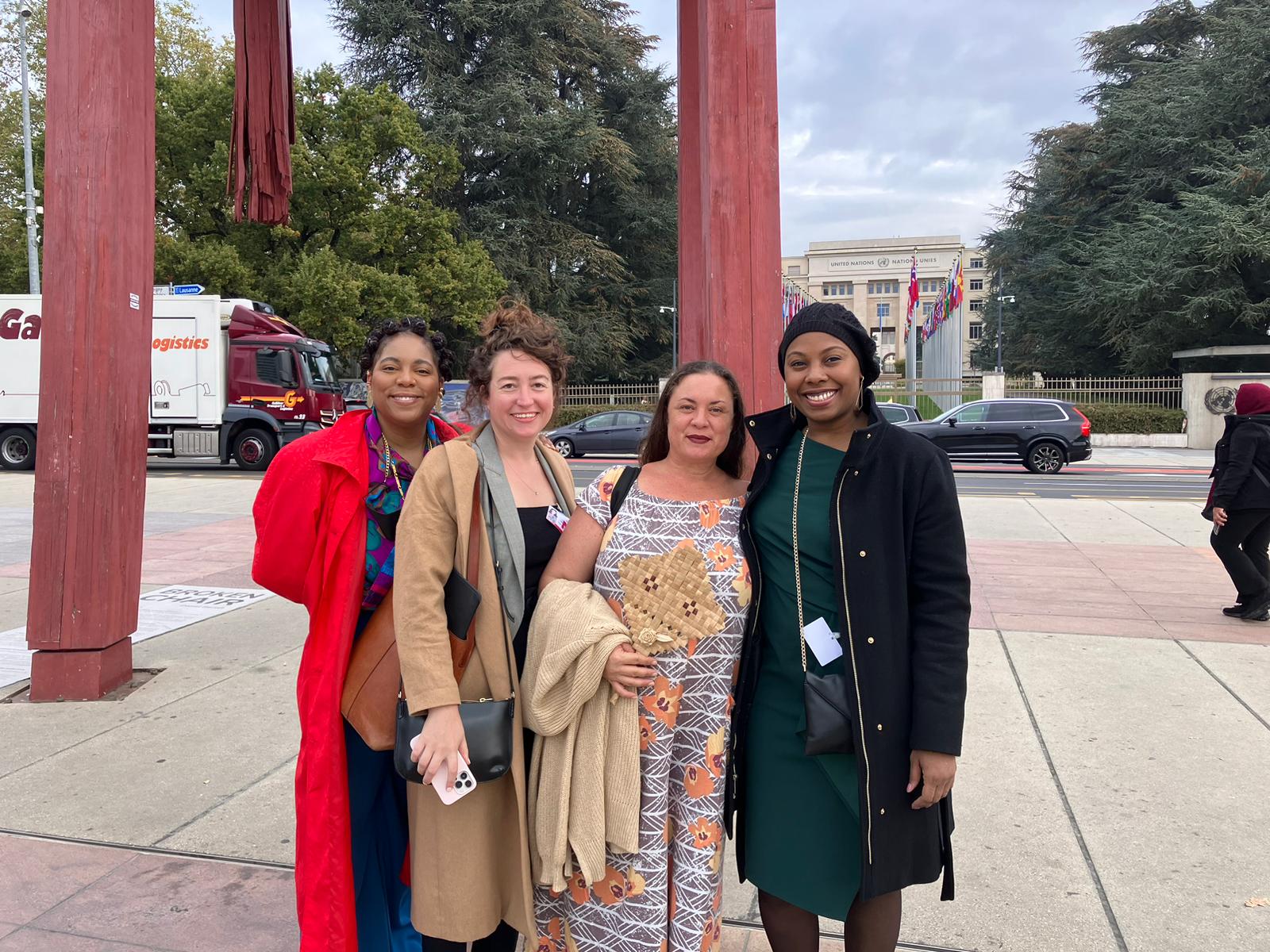
Six fights, one campaign. All tested against one standard: does it serve the people of Wailuku, Waiheʻe, and Waikapū?

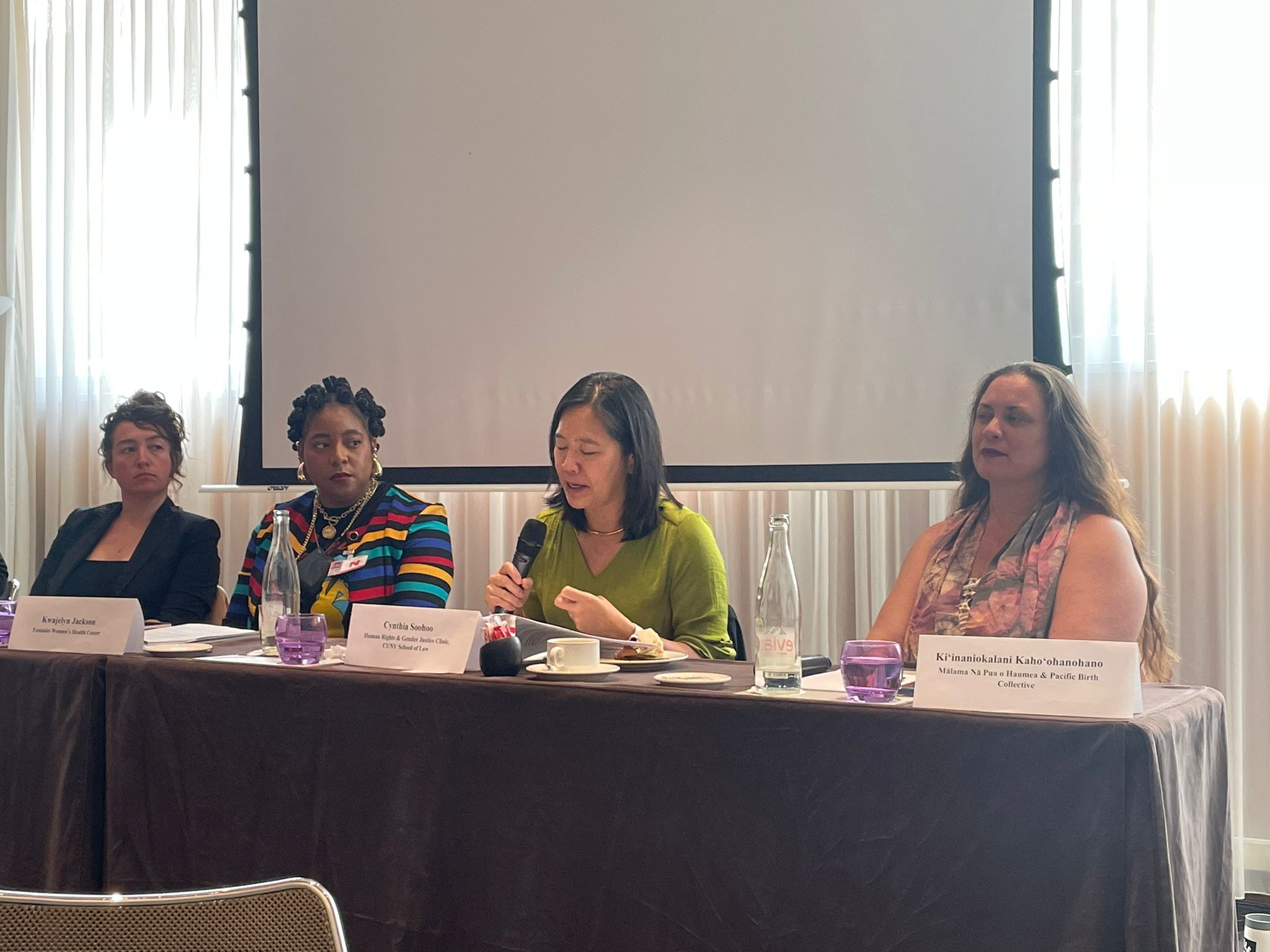
This is the heartbeat of why I am running. I have spent years inside the policy-making process — drafting pono policy, serving on the Women's Coalition, sitting on boards and committees where decisions are negotiated.
From that vantage point, I have seen too many backdoor deals, too much corruption kept out of public view, and far too little listening. I want to be someone in the State House who actually listens, and who legislates from what she hears.
When I first looked at this district on a map, I saw two channels of water and I started crying. I cannot unsee that. Those waters are not abstractions. They are bloodlines that connect our communities, our food systems, and our identity as a people.
Stewardship of our wai and our ʻāina is not a policy preference. It is a kuleana. Decisions about how that resource is managed must rest with the people who live with it, fish from it, and depend on it.

Local families are being priced out of the very places where our kūpuna are buried. Housing policy in Hawaiʻi has to be re-centered around kamaʻāina — the people who built these communities and who are now being asked to leave them.
We can do better than market-rate band-aids, and I intend to push for solutions that actually keep our people home.

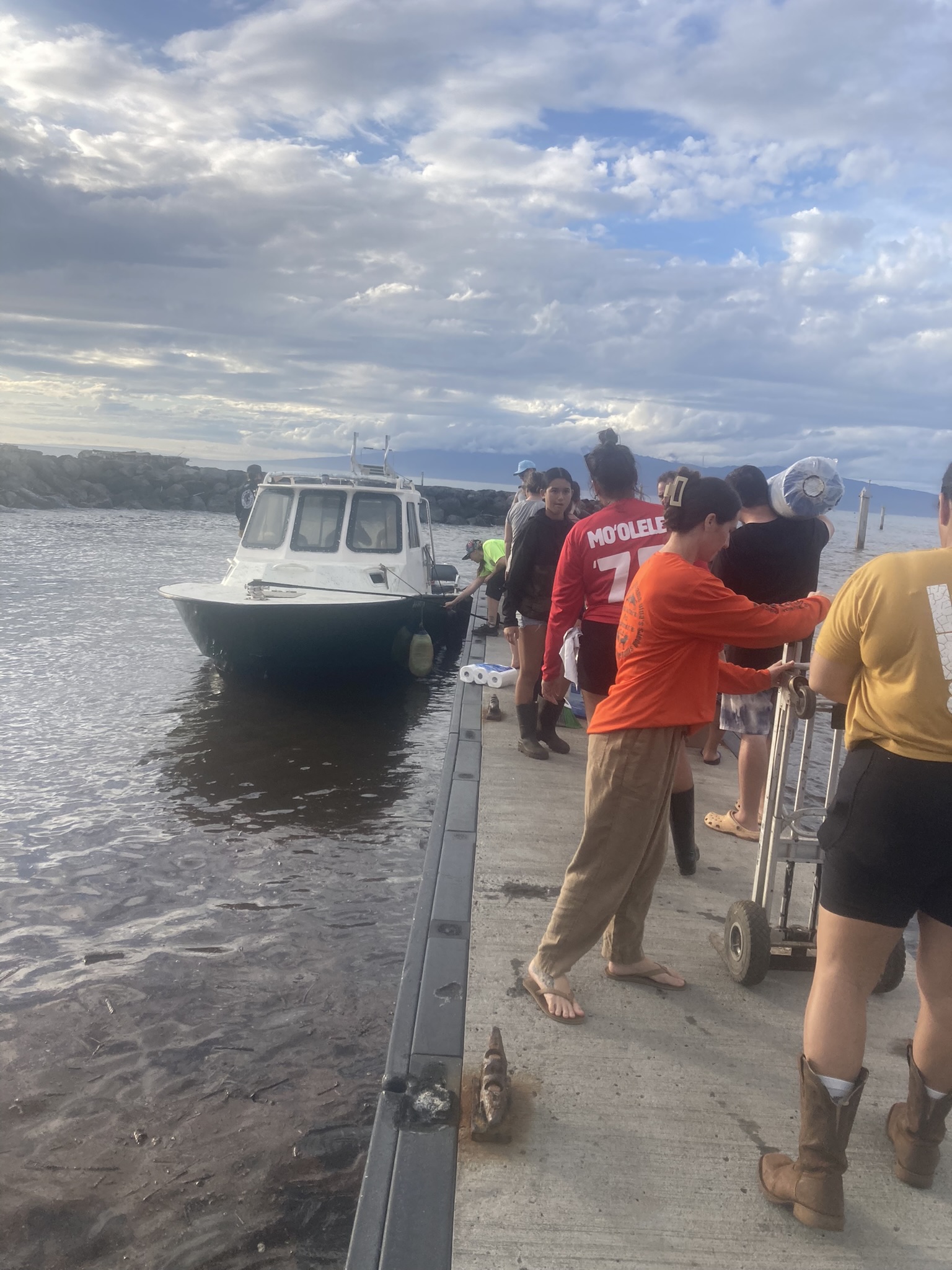
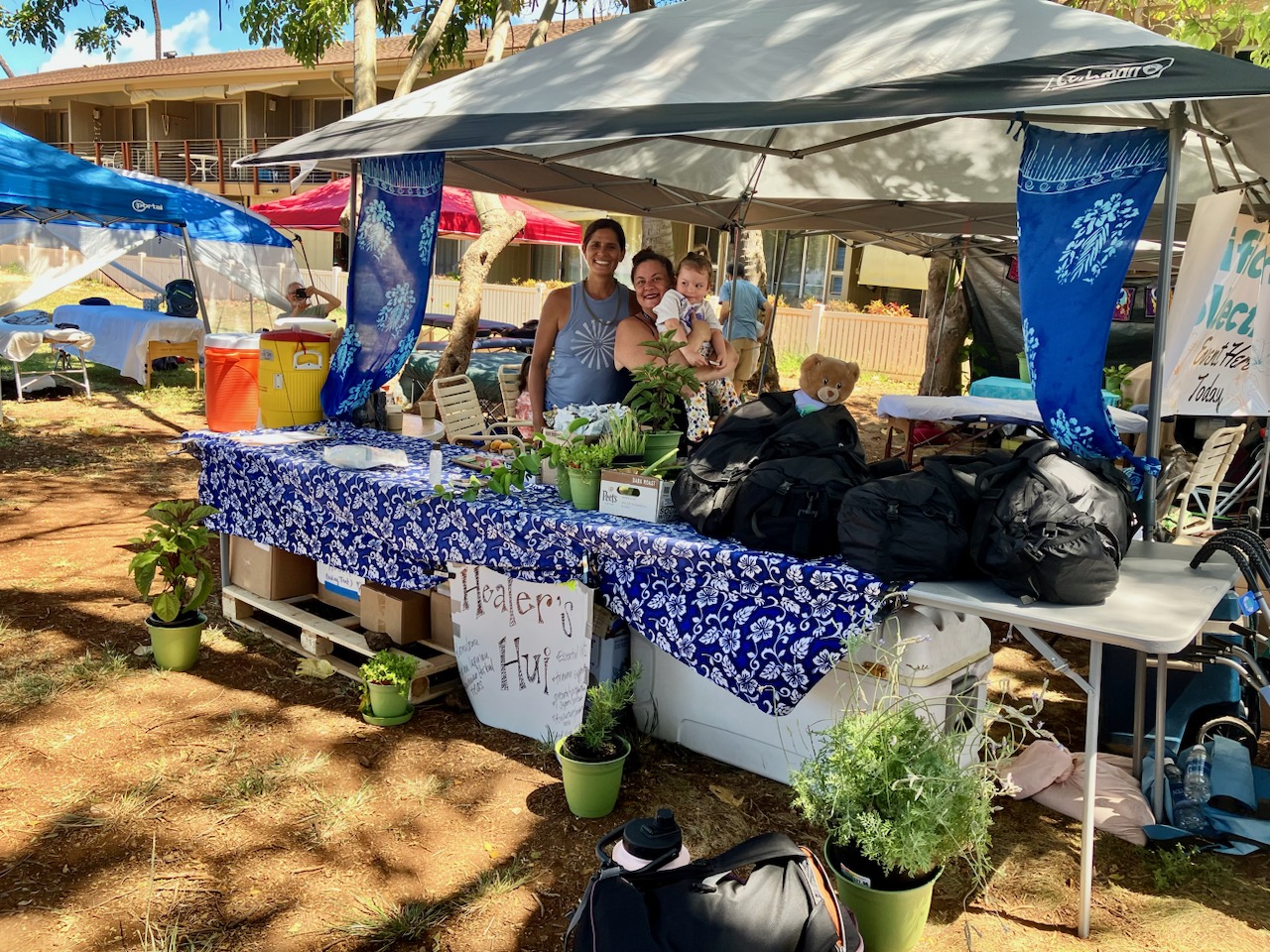
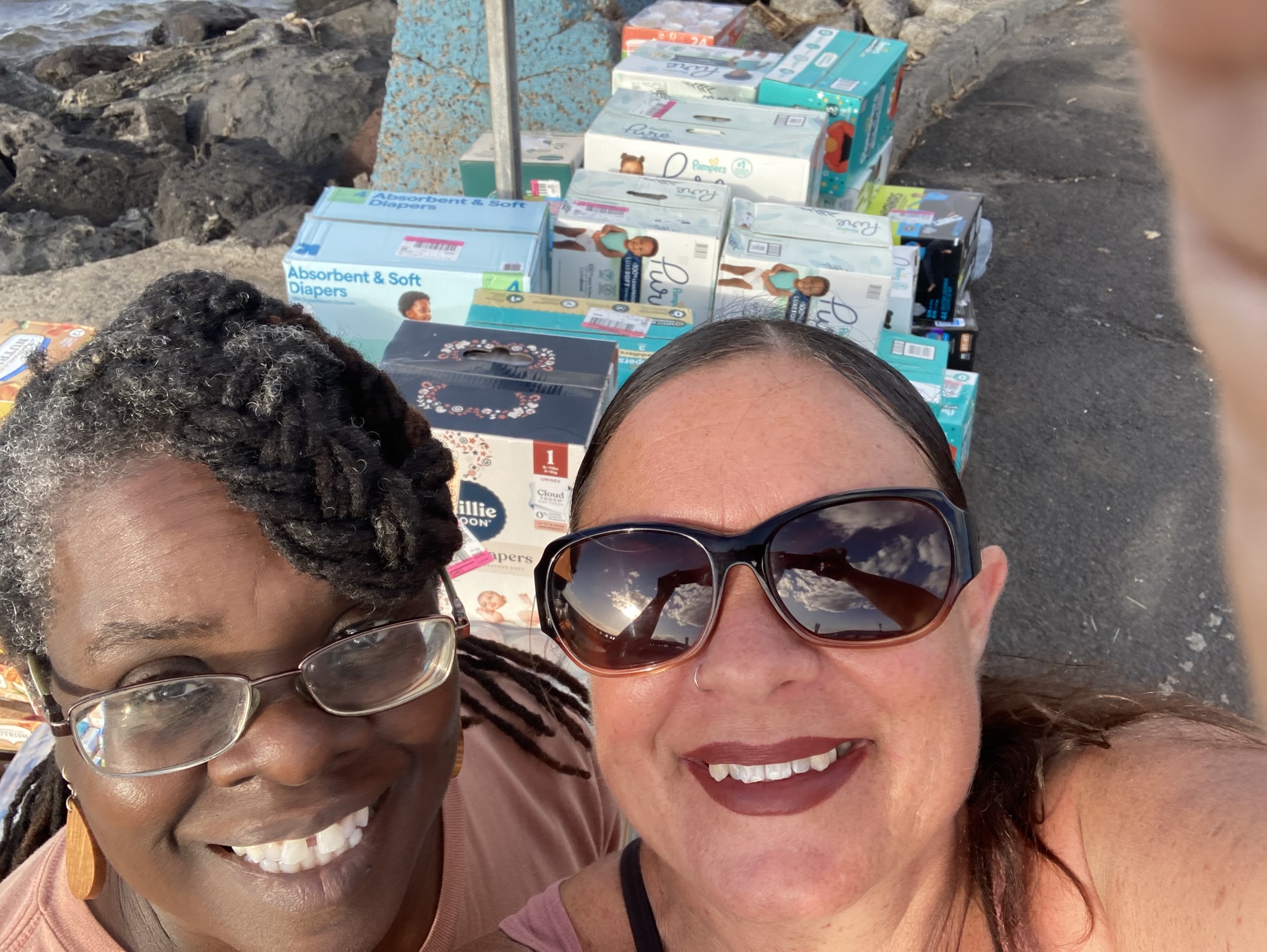
I have been, and continue to be, heavily involved in our community's recovery from fire and storm. That work has shown me, up close, how thin the safety net actually is — and how quickly attention moves on once the news cycle ends.
Recovery is a long, structural commitment. The families still rebuilding deserve a legislator who refuses to let them be forgotten.

Our community is living through a maternal health care crisis, with a single hospital carrying the weight of a need that has long outgrown it. This is not a partisan issue. It is a basic dignity issue.
I will not allow it to be normalized, and I will fight for the infrastructure, providers, and policy our wāhine and their families deserve.

Our keiki deserve more than to be treated as the stepchild of the DOE. They deserve schools that are properly resourced, teachers who are properly supported, and a public education system that gives them a future worth staying in Hawaiʻi for.
Education is the long game of every other issue on this list, and I will treat it that way.